
About The Project
This project was part of the UX/UI bootcamp at Berkley.
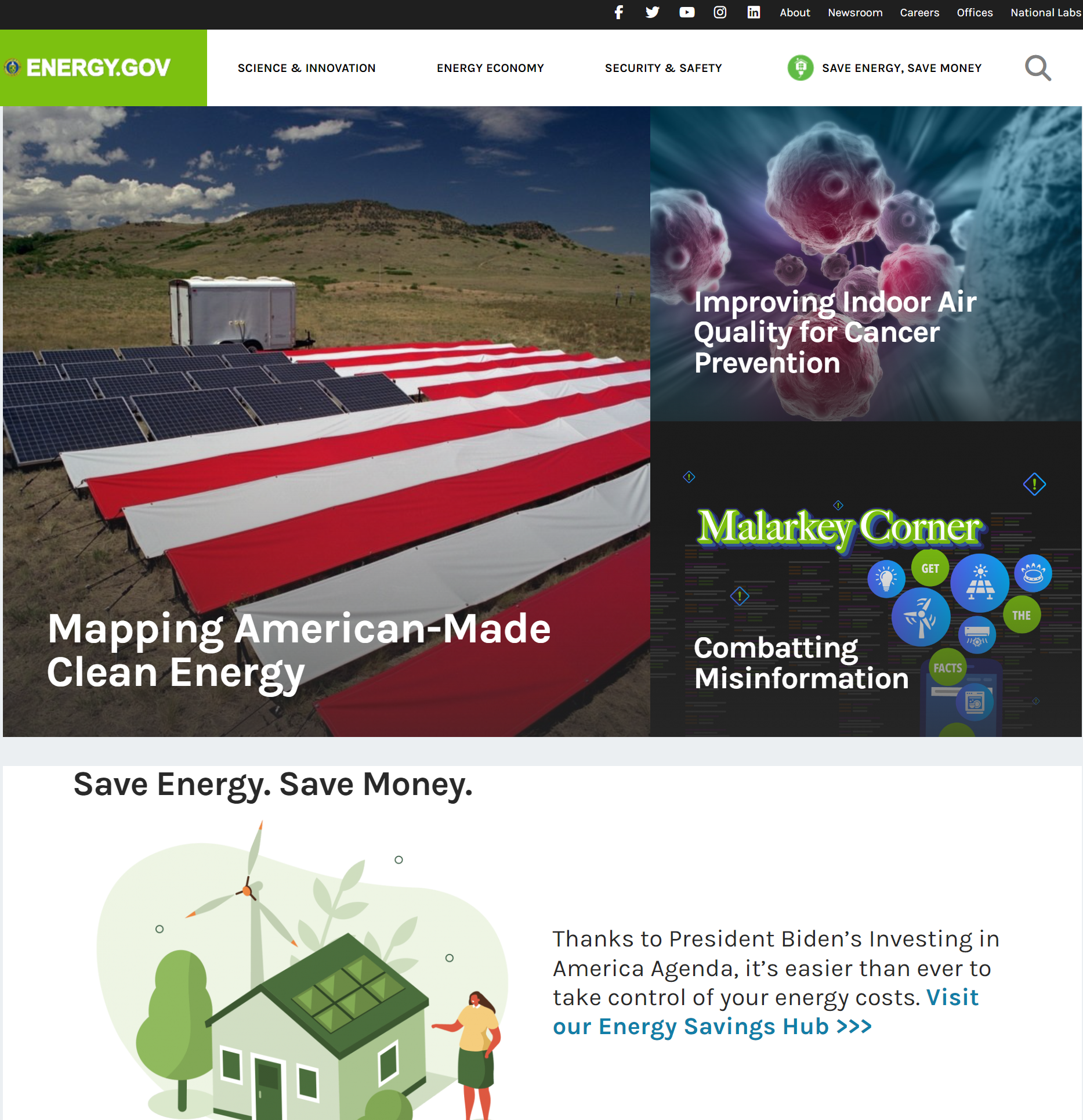
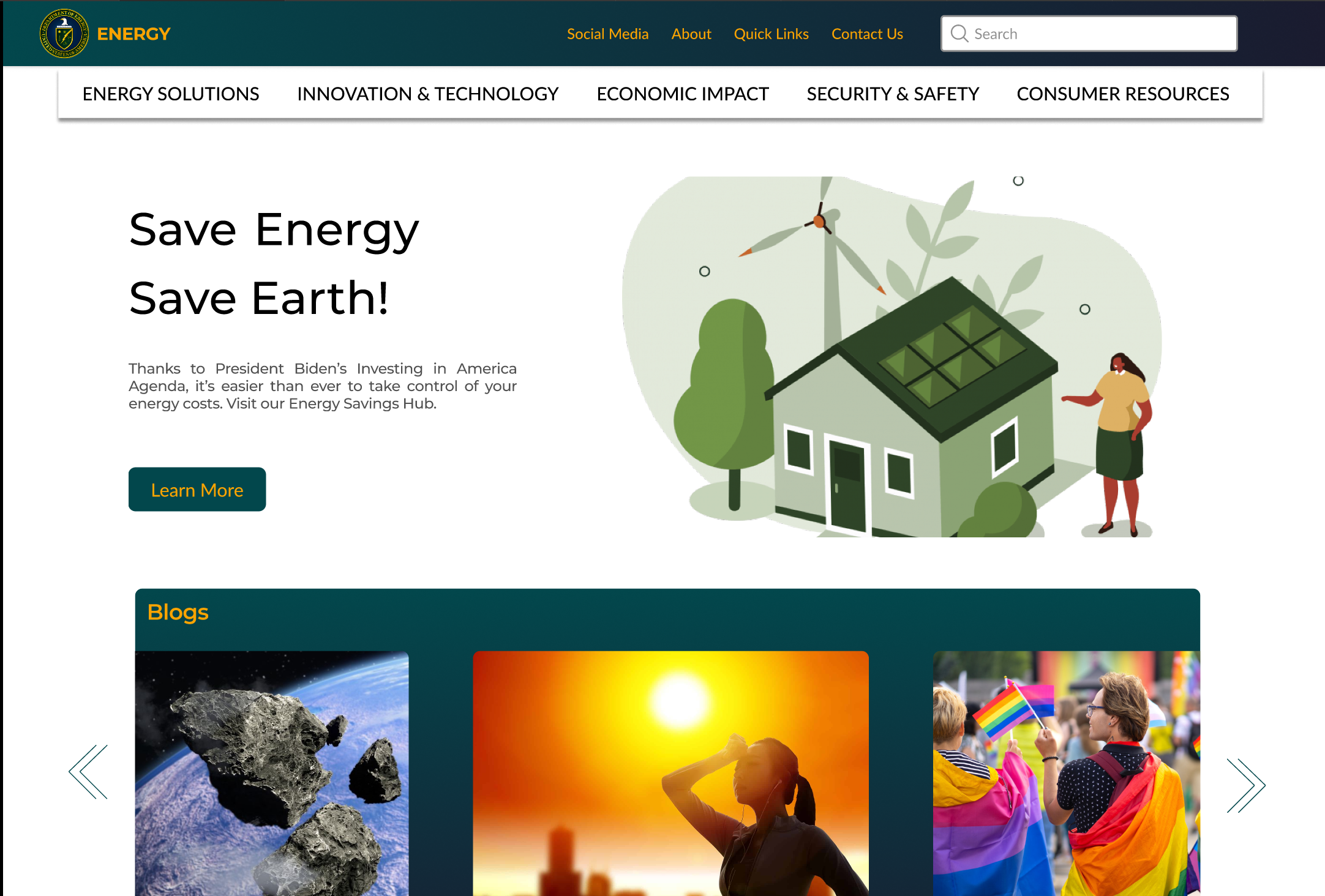
The Energy.gov website serves as a critical resource for information on energy policies, programs, research, and funding opportunities in the United States. However, users have reported several issues related to navigation, information overload, and overall user experience. This project aims to redesign the website to address these problems, improving usability, accessibility, and visual appeal.

The Approach
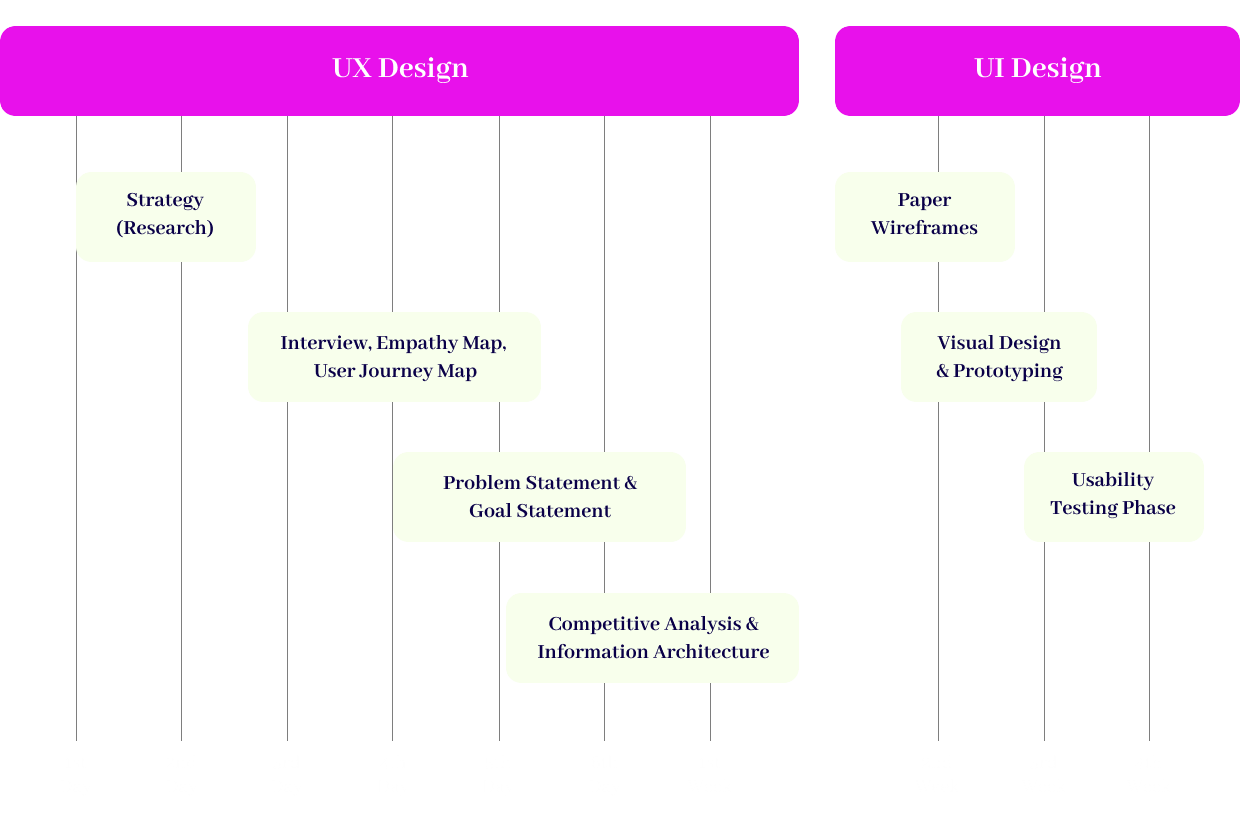
My approach to redesigning the Department of Energy website was user-centred and iterative. I began with in-depth user research to identify key issues like complex navigation and poor accessibility. Based on these insights, I developed and tested design concepts through prototypes, focusing on creating a more intuitive, accessible, and visually appealing website. I used continuous user testing and feedback to refine the design, ensuring it met user needs and aligned with the Department’s strategic goals. The final implementation prioritized responsive design and enhanced accessibility, resulting in a website that better serves its audience and supports the Department's mission.
Design Thinking Process
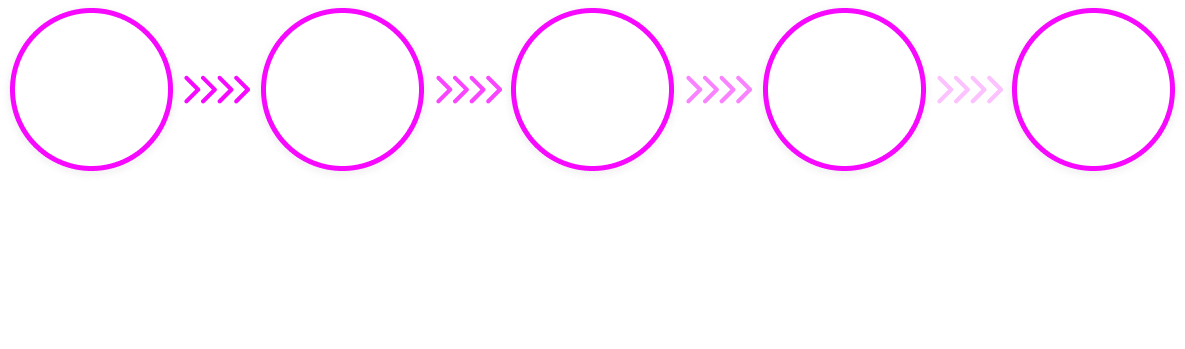
Design thinking is a user-centered approach that will guide the Energy website redesign. It focuses on understanding users' needs, fostering creative solutions, and iterating based on user feedback to ensure an engaging experience.
Project Timeline
Users feel overwhelmed by the homepage’s abundance of links and busy layout, making it hard to find specific information. Navigation is challenging, with suggestions for clearer categorization and better organization. While the green theme is appreciated, users recommend a refined color palette. The search bar is helpful but could benefit from improved results layout and fewer filters. Key recommendations include clearer navigation labels, direct links to energy sources, and better categorization to enhance usability
Quantitative Research
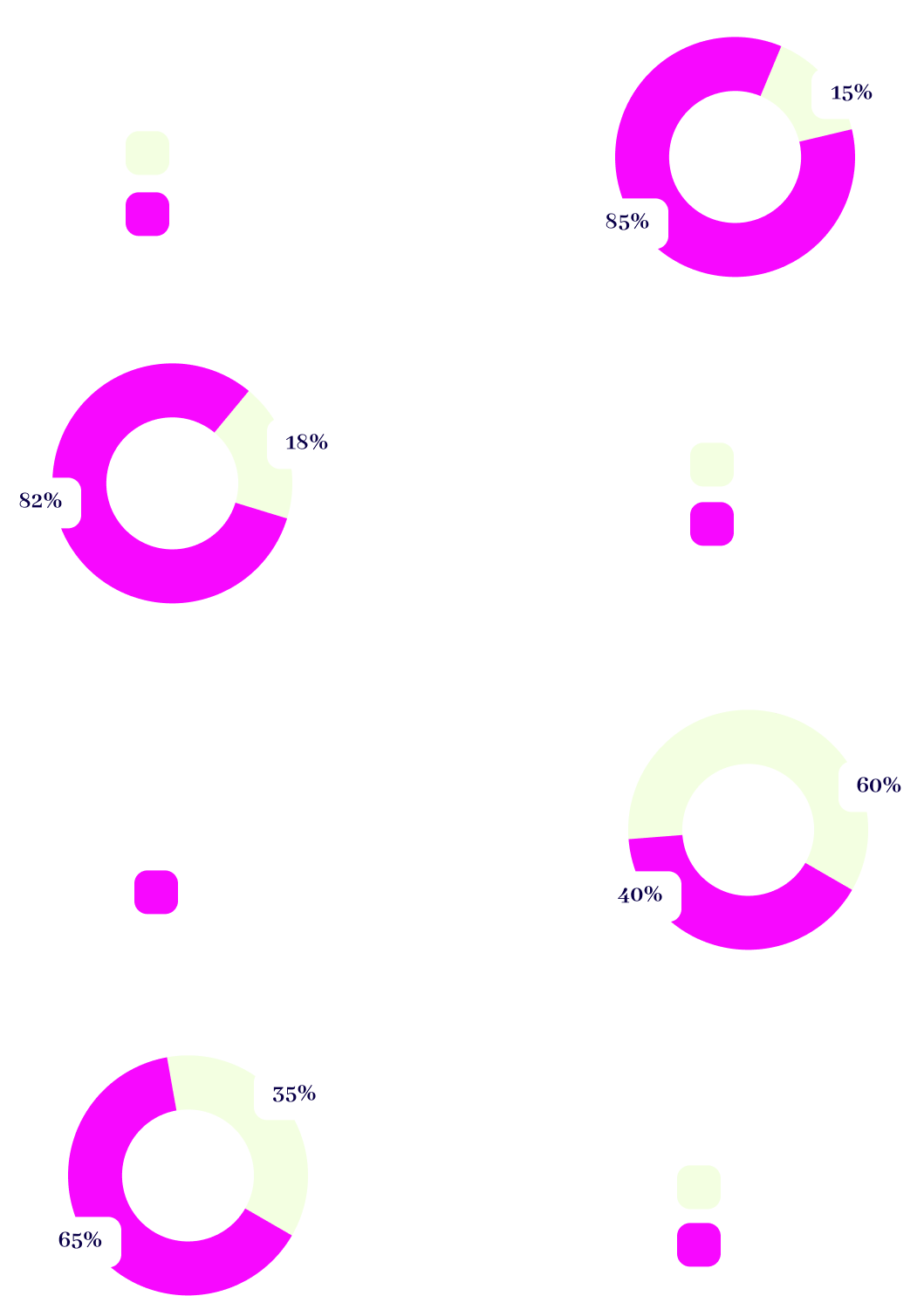
The survey results reveal key areas for improvement in the website’s design. Many users struggle with navigation and feel overwhelmed by the amount of information on the homepage, indicating a need for a simplified layout and clearer categorization. Overall, the insights point to the importance of decluttering the interface, improving navigation, and enhancing visual design to better meet user expectations.
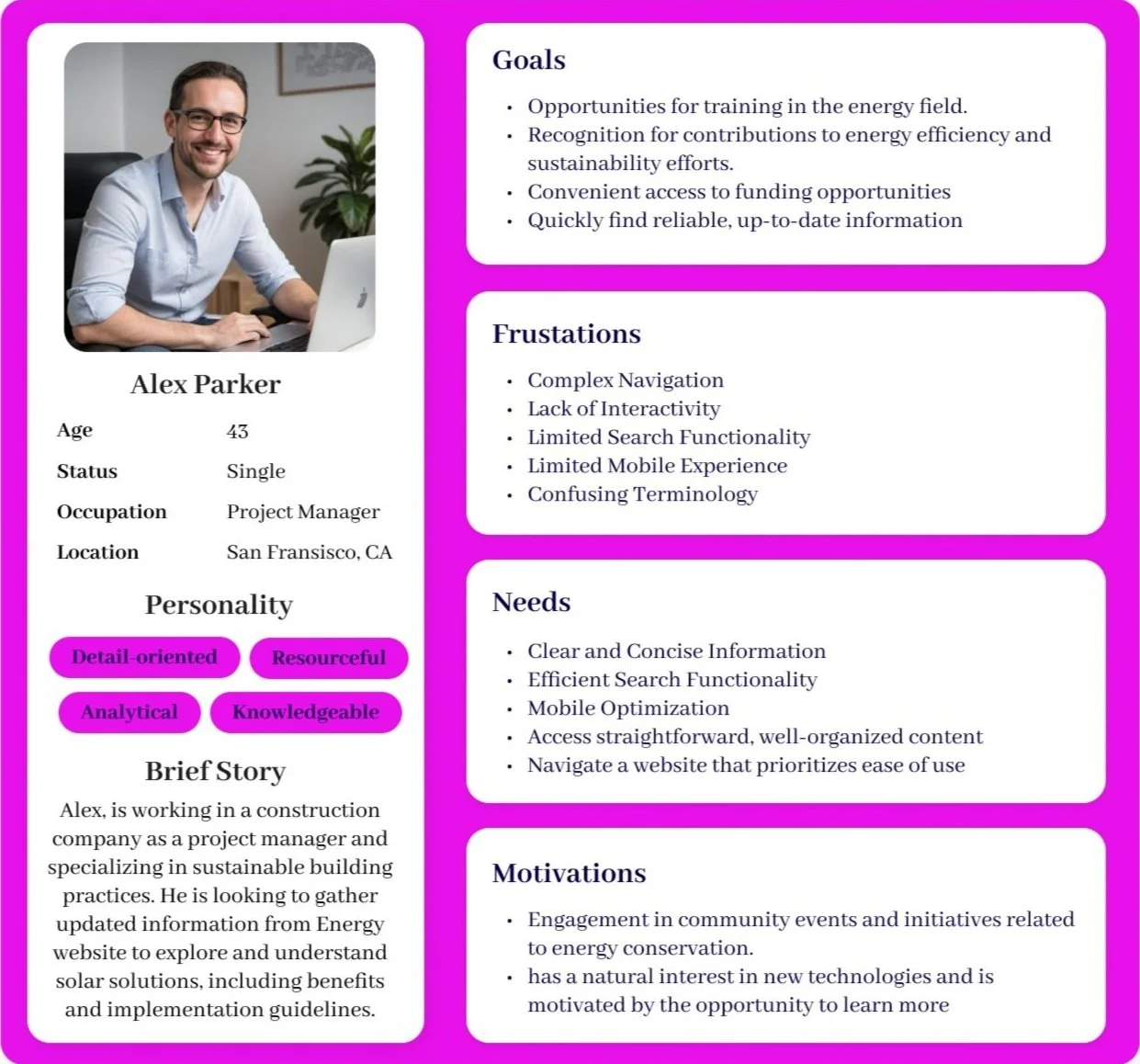
User Persona
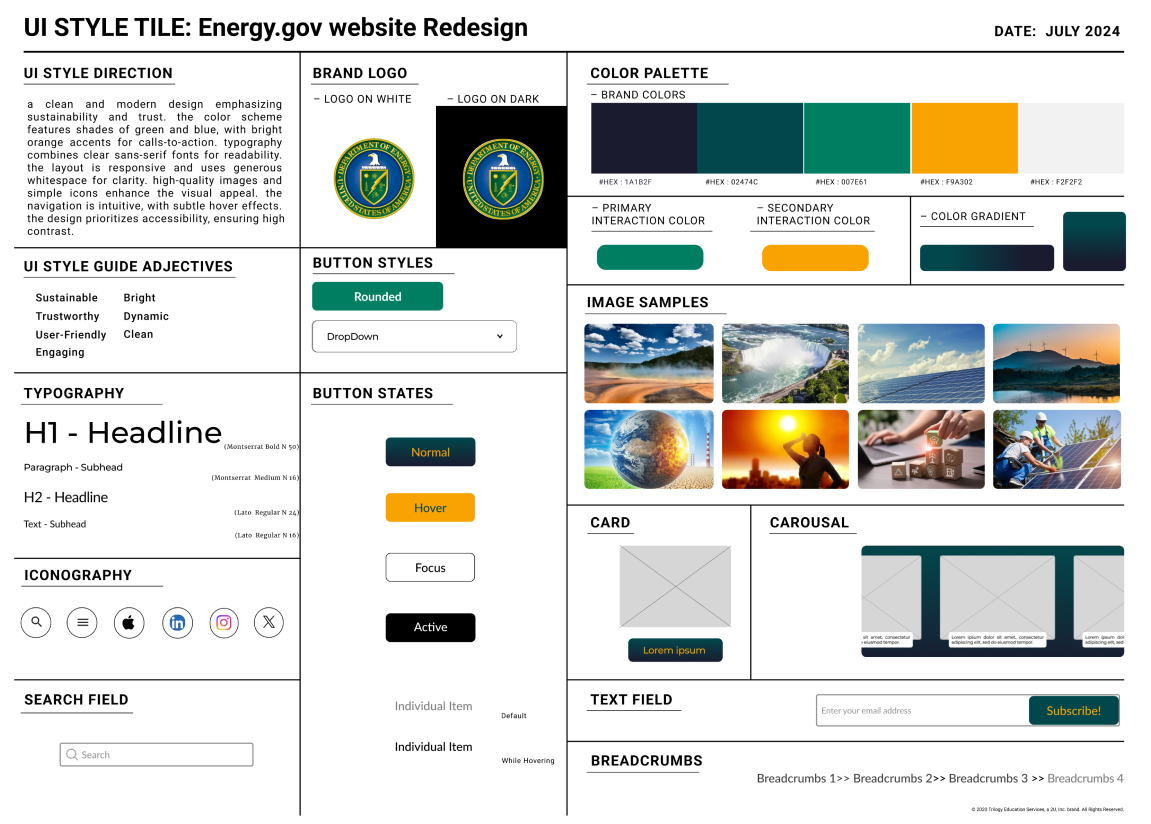
UI Style Tile
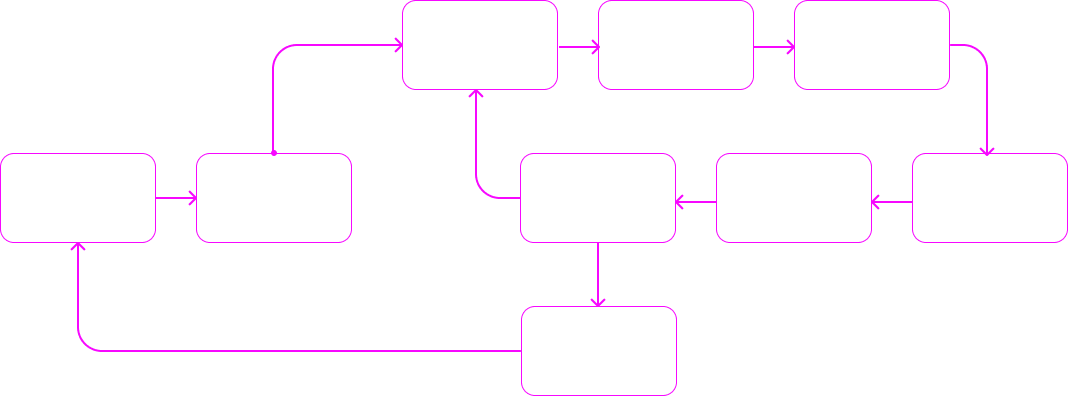
Task Flow
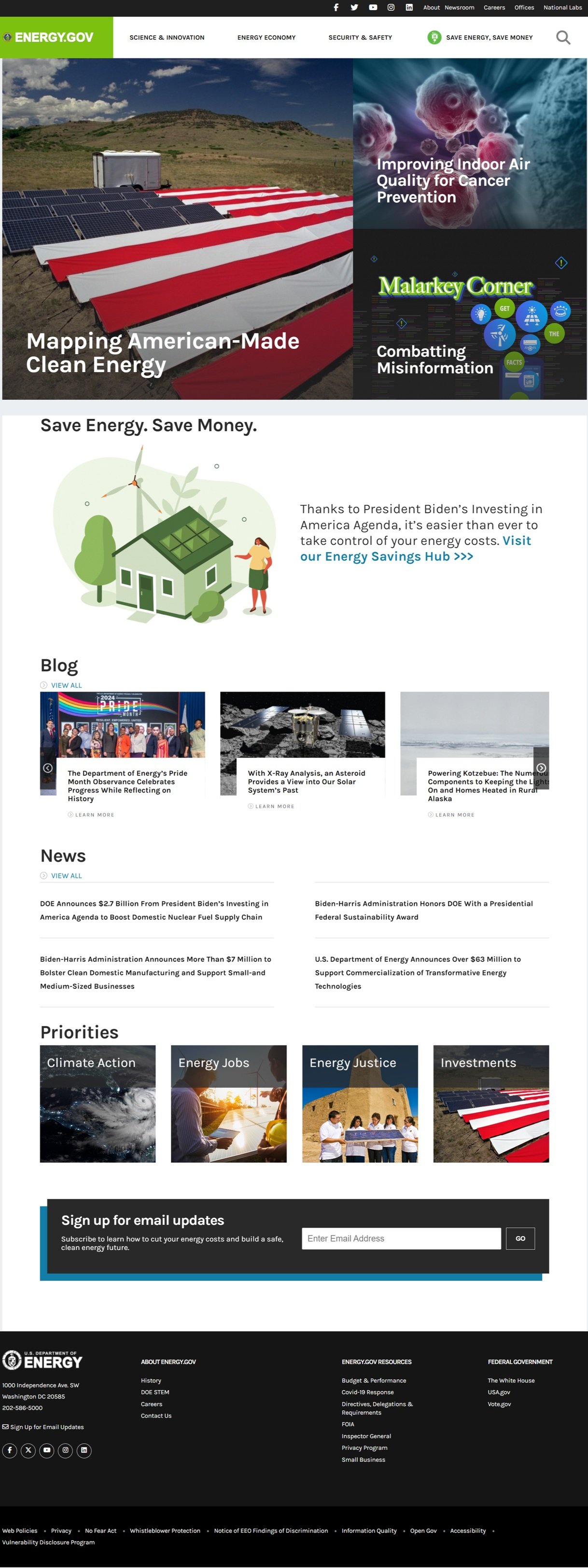
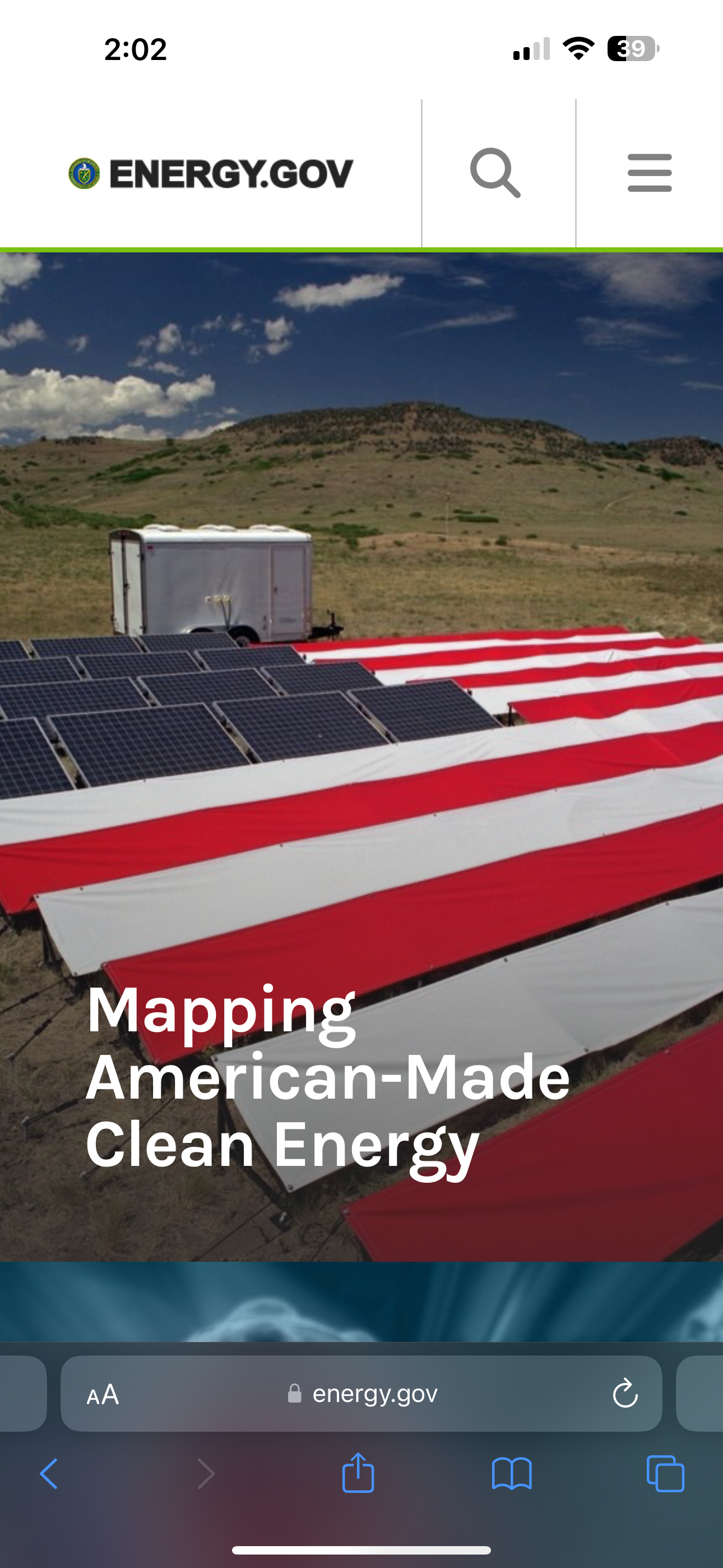
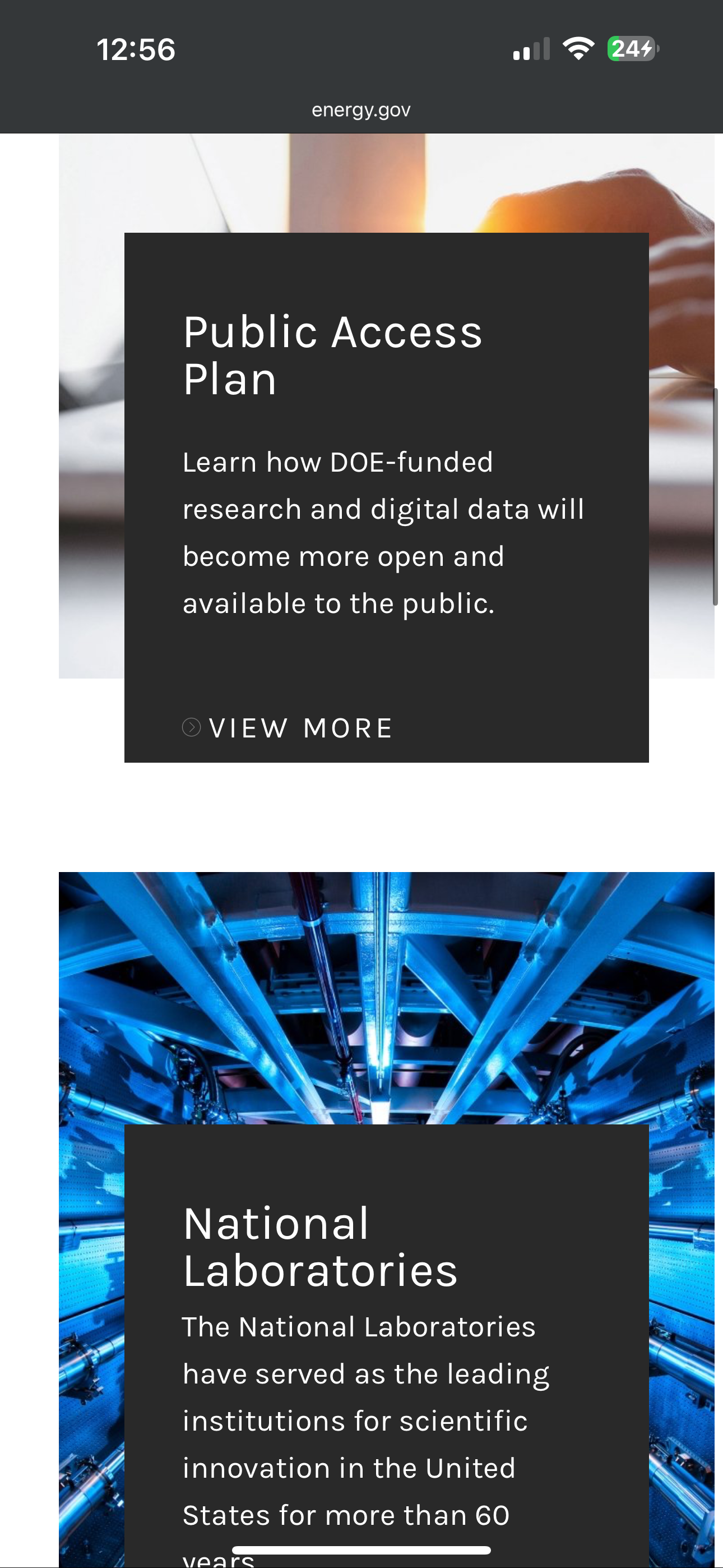
Original Design
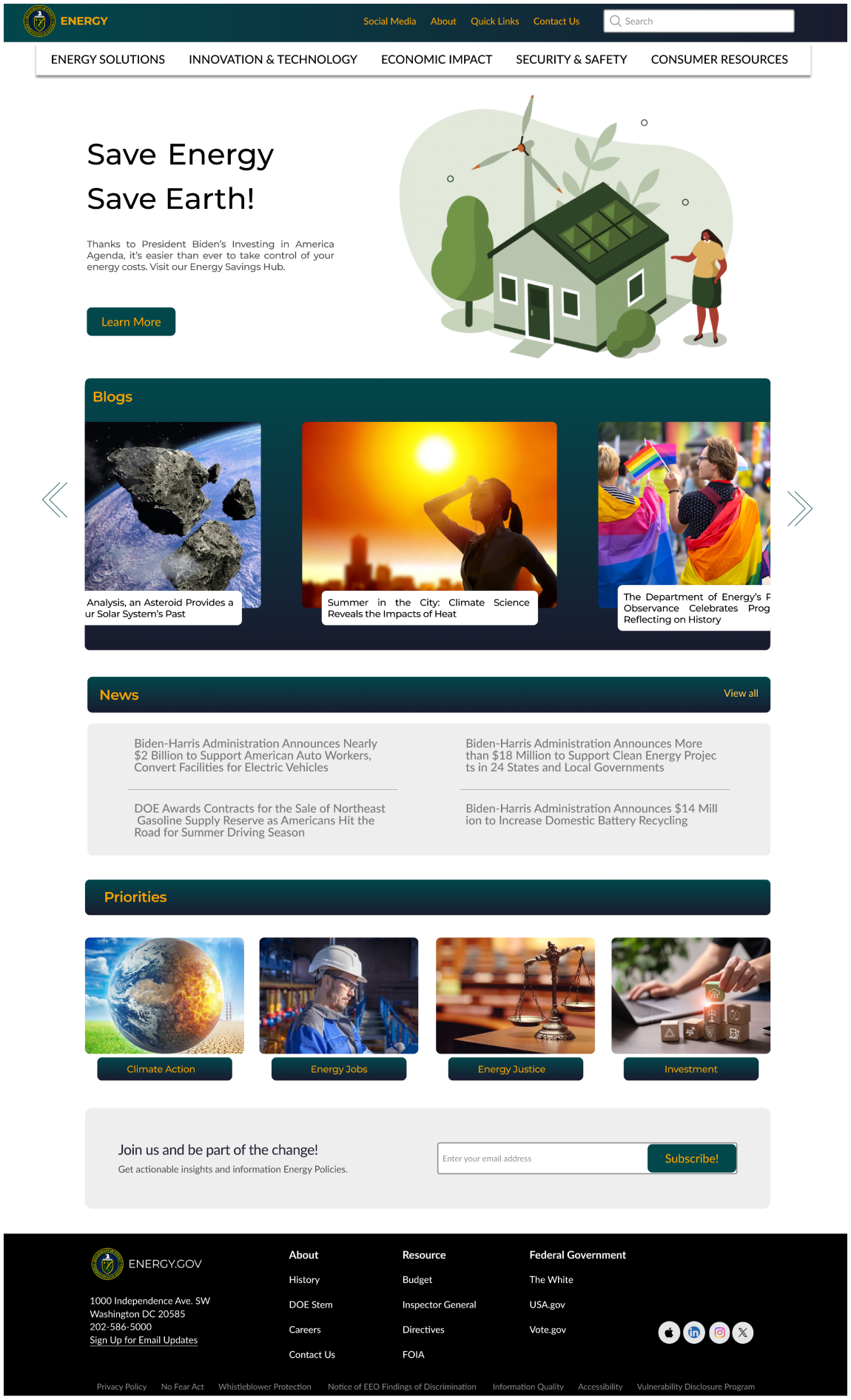
Redesign

Future Enhancement
Implement a robust search feature with filters for easier navigation and access to specific information, such as policy documents, funding opportunities, and energy statistics.
Develop a user login system that allows personalized content based on user preferences and past interactions. This can include tailored recommendations for news, events, and resources.
Develop a dedicated mobile application to provide a seamless experience for users on the go, with offline access to critical information and resources.
Explore the use of VR and AR technologies to create immersive experiences, such as virtual tours of energy facilities or interactive learning modules on energy efficiency.